DPP Crown Counsel Blames Cayman Police For Systemic Court Delays


|
Getting your Trinity Audio player ready...
|
By Alric Lindsay
Yesterday, January 27, 2026, a heated exchange in the Summary Court exposed deep frustrations over chronic delays in the criminal justice system, with defence lawyers and crown counsel from the Office of the Director of Public Prosecutions (DPP) accusing police of repeated failures, leaving defendants, counsel, and the court wasting entire days.
The concerns came to a head during a busy court session when a defence counsel described how clients frequently arrive for scheduled appearances only to discover that charges have not yet been laid or files prepared.
Giving an example of a typical scenario, one defence counsel said:
We come to court time and time again…wasting a day… when the DPP’s office should have had the paperwork, but police haven’t provided it… It’s not appropriate.
Defence counsel added:
Our clients turn up. They make us wait all day sometimes missing out on a full day of work because they now can’t go back to work having spent most of the day in court. It’s not the court’s fault.
Defence counsel continued:
But I’m moaning about it because it’s unfair to the defense counsel… it’s unfair to the court and I might even say it might be slightly unfair to the Office of the DPP if the police are not doing their job.
Defence counsel concluded:
Somebody needs to speak to them to tell them that if they’re going to insist that people are bailed to court on a particular day, they must have their charges ready. Otherwise we’re all here wasting time.
The Chief Magistrate noted the criticism, but emphasized that the situation was outside her hands. She indicated that, perhaps, defence counsel is communicating with the wrong parties because, in some cases, the DPP “have done what they need to do.”
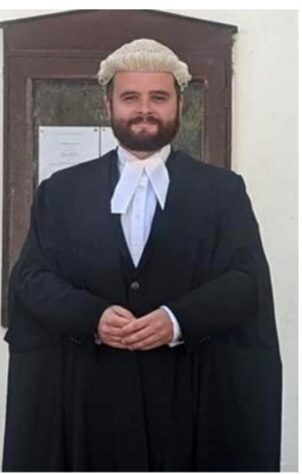
DPP Crown Counsel Ben Brown carefully steered his office away from any blame by saying that, in reality, the DPP’s office turns charging decisions around quickly and sends them to the police.
Brown added:
We send them to the police, and then there seems to be some breakdowns in the system.
The session also featured multiple cases where missing charge sheets, and incomplete disclosure delayed progress. In one instance, a defendant’s new charges had not been registered despite being bailed to appear, prompting renewed criticism of police preparation. In another instance, it was noted that a person appearing via video link at the detention centre was being held for a longer period allowable by law, which the Chief Magistrate noted could invite a lawsuit.
While the court continued hearing individual matters—ranging from assault to traffic offences and failure to surrender—the broader discussion underscored a recurring theme: inefficiency that affects everyone in the system, from defendants losing wages to overburdened lawyers and court staff.
The exchange reflects long-standing concerns about coordination between police, the DPP, and the courts in the Cayman Islands. No immediate reforms were announced during the hearing, but the Chief Magistrate hinted that some action in terms of award of costs may be made in the future against offending counsel.
Note to readers
The Summary Court manages a heavy caseload. However, many matters are adjourned daily for further disclosure or legal aid processing. In the author’s view, such disclosure issues should be made known to the relevant parties prior to court attendance. The outcome would be that efficiency would become the norm, rather than inefficiency and resource wasting.